The Best English Language Arts Home Screens Ela Backgrounds
Hoping to help your 2d-grader with reading and writing skills? Here are some basic tips that experts suggest.
Continue reading with your child
Your child'south reading skills are improving steadily and they can now read on their own, but go along to read aloud with them regularly. Equally you lot read, stop to discuss what you've read and ask them questions about the content. Don't inquire them obvious questions that are spelled out explicitly in the text, such every bit what color shirt a character was wearing. Instead, prompt them to think nigh the reasons behind the action. Inquire them why a character did something specific or what they call back the lesson of the story is and so far. These aren't necessarily questions with wrong or right answers. The most important affair is to prompt them to think analytically about what they are reading.
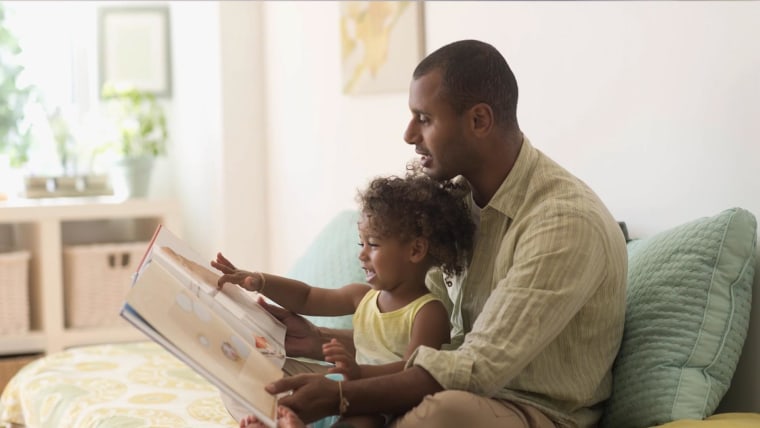
Take turns reading through a book
Your kid can practice shared reading with a parent, sibling, or friend. They tin can read one folio and the partner tin read the next folio. The goal here is to take turns and help each other with words the reader may not know. Each reader must follow along while the other one is reading. This activity helps build fluency, which is very important to condign a strong reader.
Play audiobooks in the motorcar
If you're planning a automobile ride of more than a few minutes, consider playing an audiobook. Children model their tones while reading aloud based on the ways in which they hear adults read, and oral fluency is an of import skill that begins to develop very early in a child's literacy development.
Encourage questions!
Encourage your child to ask for help when they don't understand a word and assistance him to try to figure out the meaning of unfamiliar words. If a character in a story is described with words that your child does not recognize, work with them to figure out their meaning from other clues in the text, rather than simply providing them with a definition. Children are praised and rewarded so much for showing off what they know, and so make sure to praise them for asking well-nigh things your child doesn't know. Show them that yous also don't understand all the words you come beyond and demonstrate how you figure out the meaning of an unfamiliar word.
Explore different writing styles
Encourage your child to develop their writing abilities and to tailor their writing to unlike purposes and audiences. Demonstrate how you lot exercise this in everyday life. Explain what you're doing as you write a work-related email, reading aloud equally you write it and explaining how you're going to use capital letters and be a bit formal in your style. Or, if you're only jotting a quick reminder note to your spouse to leave on the kitchen counter, explicate why yous're taking a much more familiar tone.
Incorporate non-fiction books
Make sure to incorporate non-fiction books into your child'southward reading list, such as books about how plants grow or how machines operate, depending on their interests. If they're interested in dinosaurs and other animals, engage him the family "beast detective" and take them present a new creature to the family unit every week.
Utilise writing skills for altogether invitations
Birthday parties can be a wonderful occasion to make writing fun. Your second-grader can join in the festivities by creating their own invitations to send to friends and family. With your assistance, they tin depict a picture and write the of import information about the party: Whose party it is, where and when it will be held, and how to RSVP. Selection out some paper together and either impress out the invitations on a computer or make handwritten versions. And don't forget to add stickers and glitter! Your kid will dear beingness part of the action.
Encourage creative writing
Encourage your child to get creative with their writing. Encourage them to write a short play, story, or comic book. This helps nurture your child'south creativity and also fosters writing power.
Play word games on the go
Word games are a great style to help your child appreciate the magic of linguistic communication, and playing with language can start him on the right path toward good writing. Hither's one idea to attempt with your 2d-grader: When you're driving in the car, taking the bus, or walking in your neighborhood, inquire them what they see. Beginning with one of their words, try adding another word that starts with the same letter of the alphabet, like "ferocious fire hydrant" or "tiny tree." See if you lot tin can expand past adding more than and more than words, like "xx-two tiny tulip copse."
Play letter match
Another easy give-and-take game to play at domicile, in the machine, or even just waiting in line is "letter match." Select a category, such every bit animals, foods, or places. Phone call out a letter and give your kid 10 seconds to think of an detail in that category. It's then your turn to retrieve of another item in the category that begins with the same letter. Keep going until i of you misses. And so if the category is "animals" and the letter is B, your child might estimate bear, then you might guess beaver, then buffalo, and so on. This is a great game for siblings to play with each other. This not only helps your child learn words and retrieve rapidly, only also helps condition them for the pressure and feet your child will experience during timed testing.
Make a game of using new words
Make a game out of broadening your child's vocabulary. Choose five unfamiliar new words for them to learn each week and meet how often everyone in the family can use those words in everyday conversation. This will assist amend your 2d-grader's vocabulary, reading comprehension and speaking skills.
To find out what your 2nd-grader will be learning in English Language Arts class, check out our second grade English Linguistic communication Arts skills page.
TODAY Parenting Guide resources were adult past NBC News Learn with the aid of subject field-matter experts, including Joyce Epstein, Managing director, Center on School, Family and Customs Partnerships, Johns Hopkins University; Pamela Mason, Programme Director/Lecturer on Education, Harvard Graduate School of Education; Barbara Stripling, Senior Associate Dean, Syracuse Academy; Elfrieda "Freddy" Hiebert, President and CEO, TextProject; Linda Gambrell, Professor, Clemson University; and Nell Duke, Professor, University of Michigan, and align with the Common Core Country Standards.
Source: https://www.today.com/parenting-guides/2nd-grade-english-language-arts-tips-t177782
0 Response to "The Best English Language Arts Home Screens Ela Backgrounds"
Post a Comment